

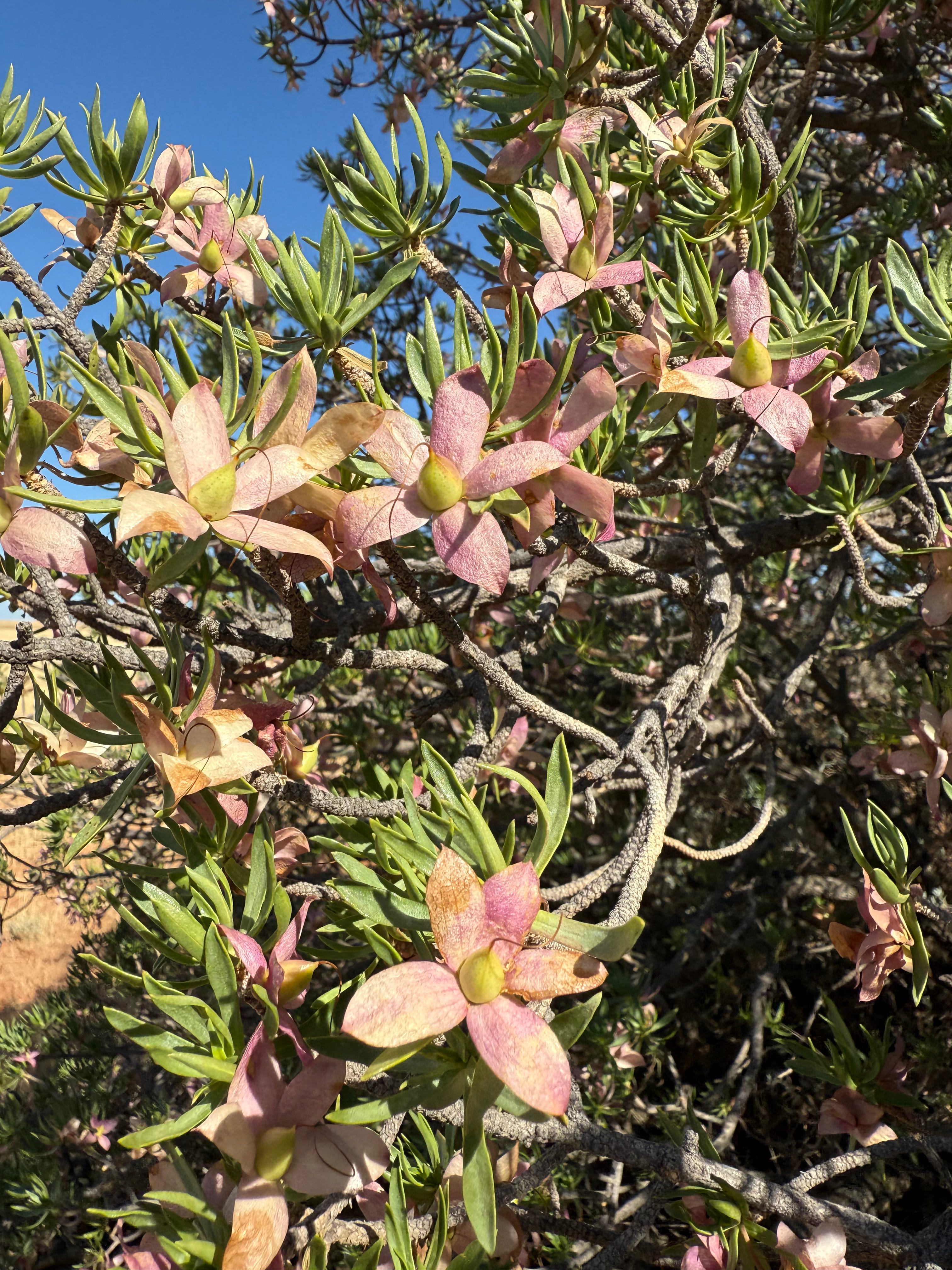
The West Australian wheatbelt is ablaze in colour right now. Wildflowers are out. And while we might commonly expect the best of this annual burst to be roadside or in reserves, outside of cropping operations, we just dropped back in on a farm where its biodiverse operation brings the best of all wonders together.


The south-west of WA is one of the world’s officially recognised biodiversity hotspots. There are only 36 of them. To ‘qualify’, there must be at least 1,500 endemic plant species — meaning they’re found nowhere else on Earth. In the wheatbelt, there are more than 5,500 species, and more than half of those are unique in the world!
The second qualifier is that it must have lost at least 70% of its original natural vegetation. Together, these two conditions describe a place that is both biologically irreplaceable and under serious threat.
Sadly, over 70% of the original habitat of the south west of WA has been cleared, mostly for agriculture in the wheatbelt. And agriculture is still at the top of the listed threats.
But what if agriculture became a boost to biodiversity, rather than a threat? And what if that in turn became a boost to agriculture, rather than a threat? And a boost to human and planetary health in turn.


We hadn’t been back on the Haggerty farm for a few years, as the podcast led us overseas for longer than we expected. We dropped back in a couple of weeks ago to say g’day, and while we’re familiar enough with what’s afoot out there, it blew us away all over again.
Fittingly, they’re being increasingly recognised with all sorts of awards now, including last year’s Western Australians of the Year, after a heck of a journey over 30 plus years.
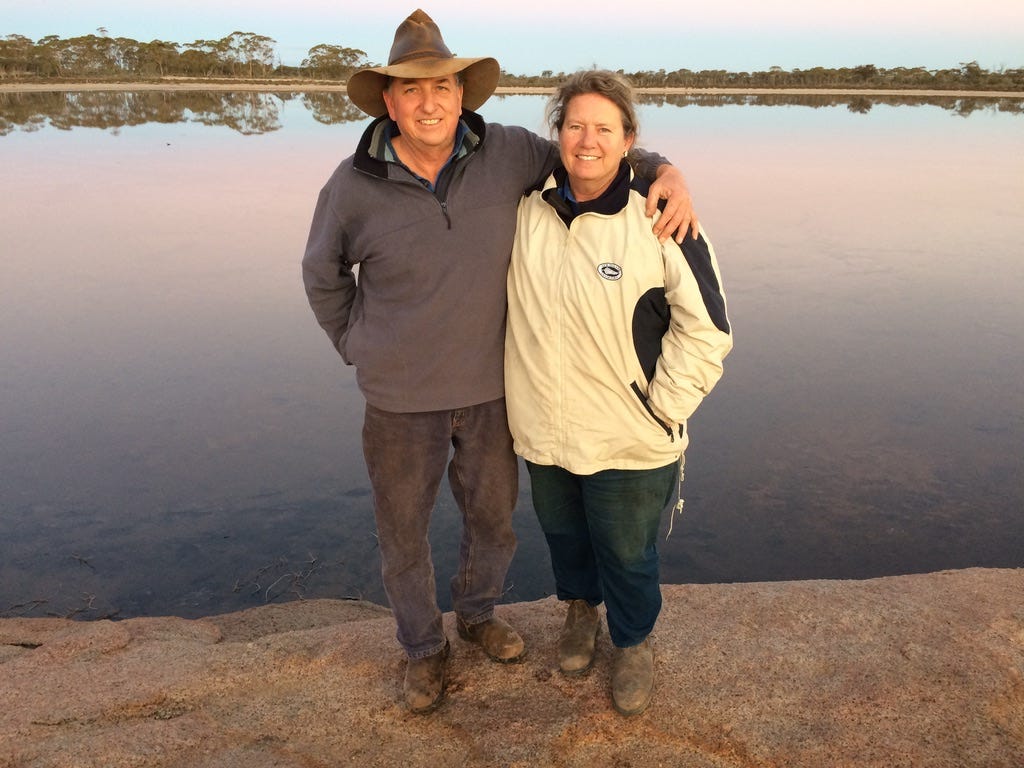
For those who haven’t heard those podcast episodes above, the family runs a 60,000 acre operation of mixed grains and livestock in the northern wheat belt. That’s the dry bit. It averages about 300ml a year (12 inches) but these days gets more like 150-200ml (6-8 inches). No irrigation.
And yet, the crops go from strength to strength (most recently adding ancient grains like spelt), paddocks previously turned to sand and salt return to productivity (with compost and worm juice instead of chemicals), the sheep you’ll likely never see better (no brutal mulesing or chemical drenching), the wool now goes to major international fashion houses like that of Stella McCartney, the grains now go into extraordinary local bread and beer, previous salt patches have developed a growing fresh water lens on top, the diverse species count continues to return, and they’ll still tell you they’re just scratching the surface.


On our way home, we listened to the last few episodes of a favourite podcast we found in the US, that we didn’t quite get through while on the road there last year. Dolly Parton’s America was a revelation. It’s been out some years, and got big, but it was new to us, and was really moving on multiple levels. All the more given her passing only days prior to this listen. And all the more when it told the story of her song Wildflowers.
The song was inspired by a young Dolly ultimately feeling captive in her Smoky Mountains home. The narrator describes growing up like a wildflower among the hills, refusing to ‘wither in place’, and instead needing freedom to grow, not fearing where that freedom might take her. And conveys a sense of thriving beyond the ‘garden’ she was brought up in.
We marvelled at this faraway song landing on us amidst the wildflowers here, and in the wake of the Haggerty’s wild path. And wondered what this garden ‘belt’ might look like if we tended it with more of that spirit. The way to recovery for this biodiversity hotspot is on display, in full delicious bloom. Something for us all to sing about.
Incredible 🤩 I need to listen to Wildflowers with this in mind. The very first photo I posted for the Earth Dispatch was in the Great Smoky Mountains!
What a spectacular array of wildflowers 🙌