The Mission
A few transcendent minutes on the streets of Antigua, Guatemala

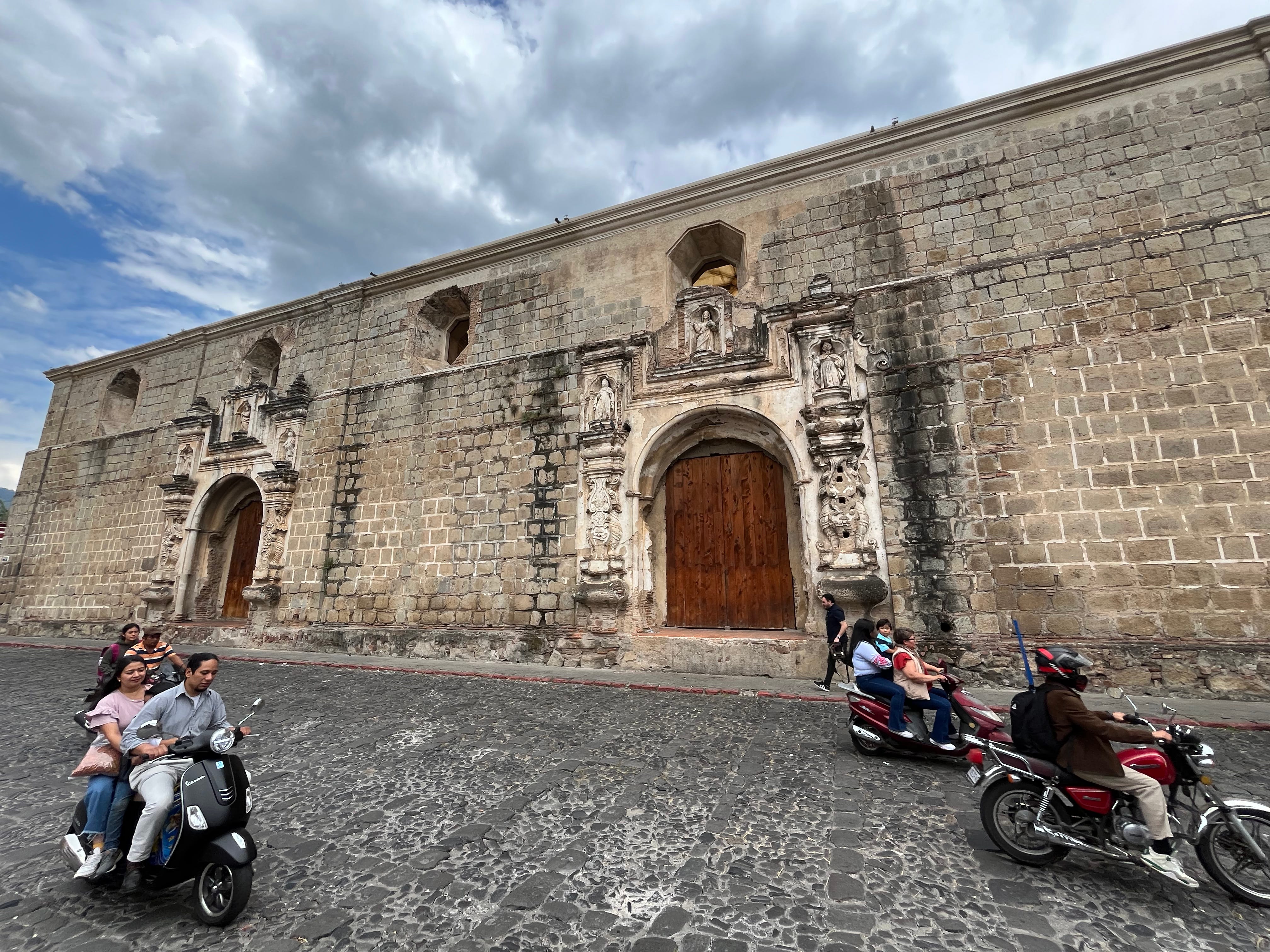
I kissed the family goodbye after lunch yesterday, and headed back to the hotel to be interviewed online by the terrific new podcast out of the US called Agrarian Futures. Habitually now, at each corner of this grid-designed colonial city, I would choose which way to walk the next block, in an effort to avoid the worst of the belching traffic. So many cars, trucks and motorbikes, with plenty blowing smoke screens, others with munted mufflers, and on these otherwise beautiful cobble stone streets, the whole lot rattles and shudders.
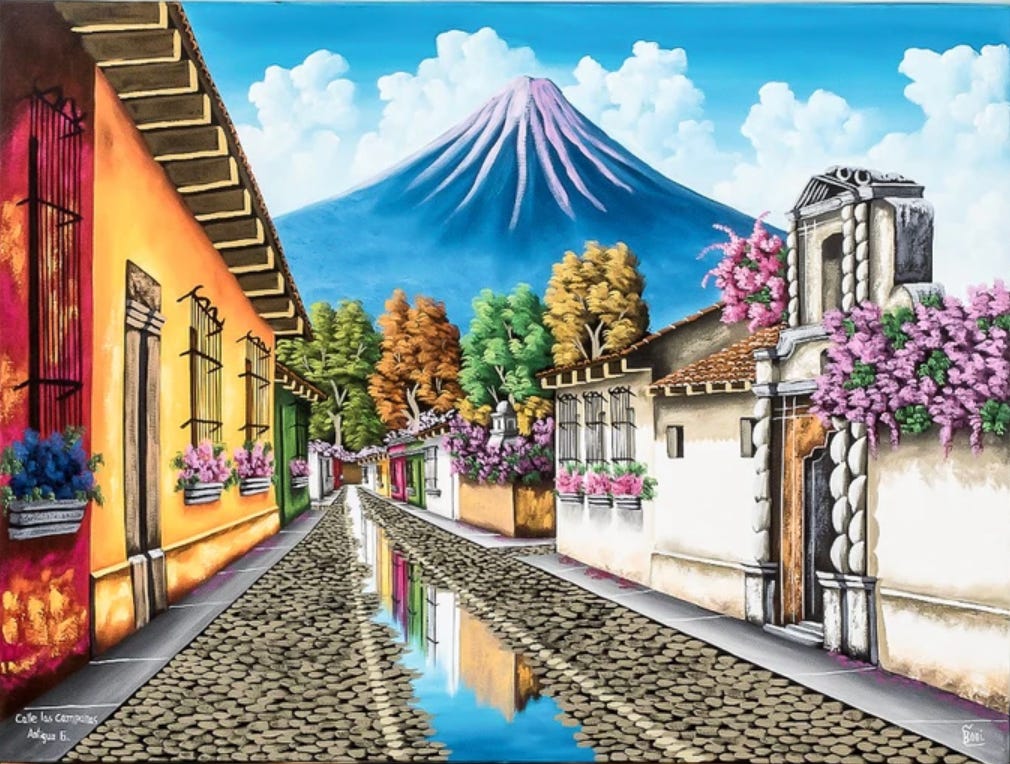
All the characteristic paintings of this UNESCO World Heritage town in the central highlands of Guatemala still don’t depict this part of its modern reality. But there it is, dominant, contaminant, and omnipresent. Presenting a visceral experience of Heathcote Williams’ Autogeddon. You can only dream like the artists - and I think we should - of streets like these without their ambience so machined.

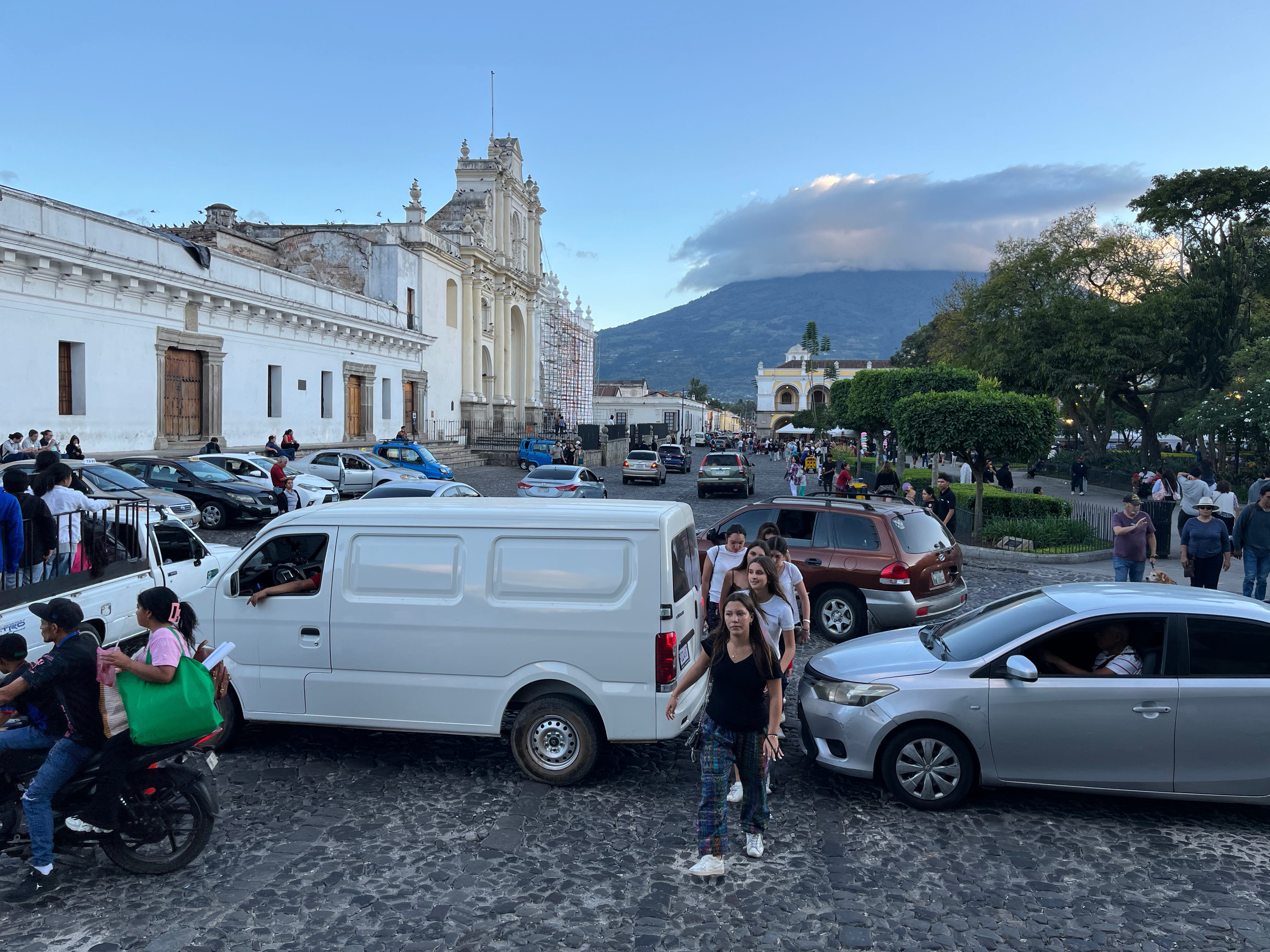
Imagine the space (or at least more of it) given over to the cathedral bells, bird song, and human voices, currently wrestling away in the din. I remember Richard Fidler, a prominent author and broadcaster back home in Australia, and co-host of the Conversations podcast, musing on the times when these kinds of non-mechanised sounds filled these kinds of streets throughout Europe, where many of his travels have taken him. He wondered about a time when church bells were probably the loudest sound around, and whether this might in fact be the ideal evolved human scale for healthy, enjoyable soundscapes (to say nothing of the air pollution, congested space, death and injury etc.).
I thought about this, too, when back in northern Guatemala at the ruins of the ancient Mayan city of Tikal. When I wrote about some of our experience there, I concluded with what felt pretty profound at the time:
Past the glitzy gate, our pre-dawn arrival at Tikal was greeted by misty and mysterious silence. By the time we circled back to the Grand Plaza around noon, it was full of people. Tourists, to be sure. And Mayan descendents of the original inhabitants, too, including our friends.
I’ll admit to thinking ‘get me outta here’ for a moment. But then it occurred to me, the city was alive. Transformed, yes. But all these centuries on, alive. Full of human and other wildlife. Food. Ceremony. Stories.
What I didn’t write in that piece, was what struck me next. How beautiful the sound, of the ancient city filled with those voices, in commerce, ceremony, feast, education, meditation. Much, I imagine, as it had been for centuries and millennia. And without suffering for lack of sophistication in the arts, maths, politics, trade, astronomy, architecture, sport and so on.
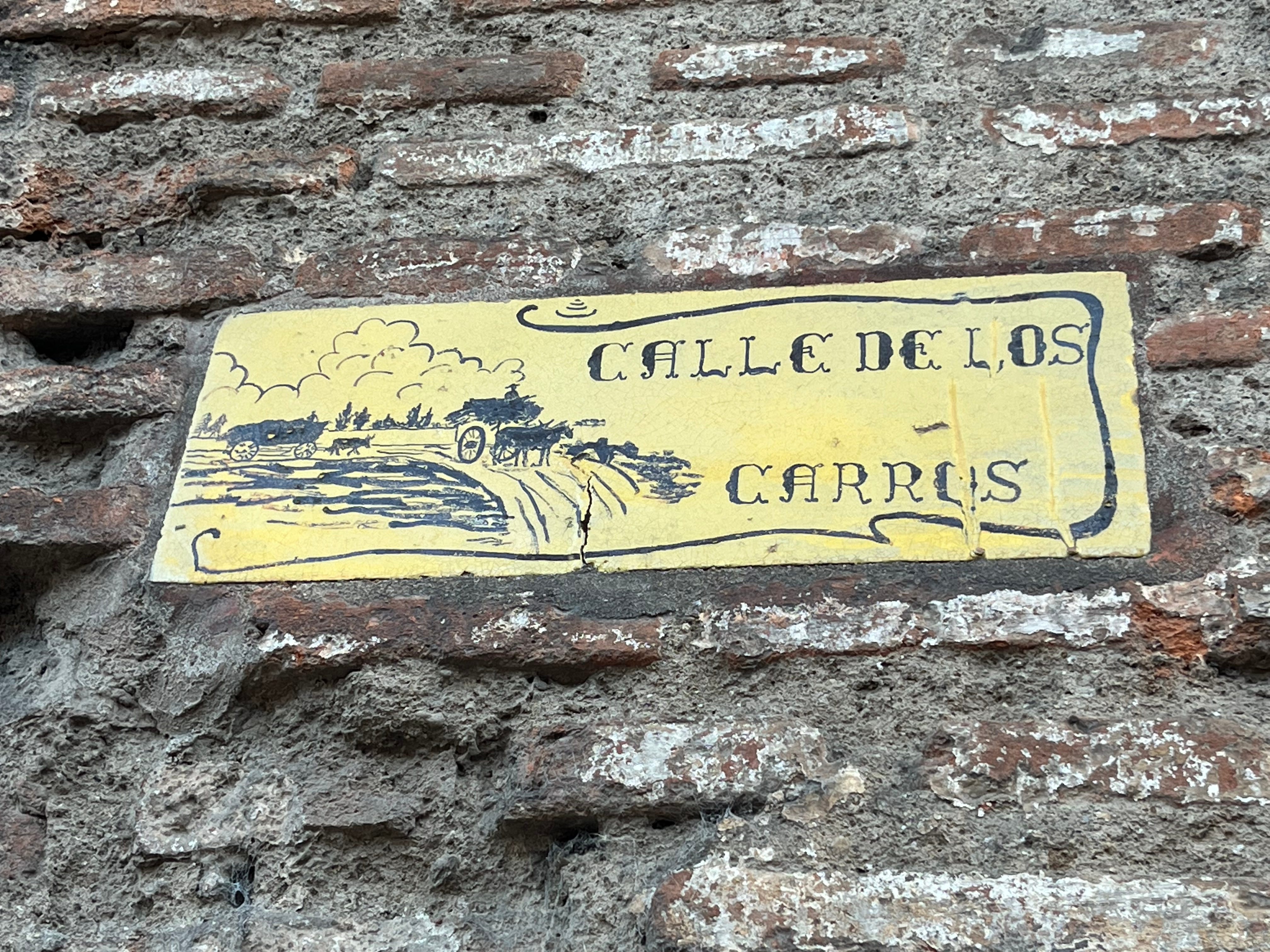
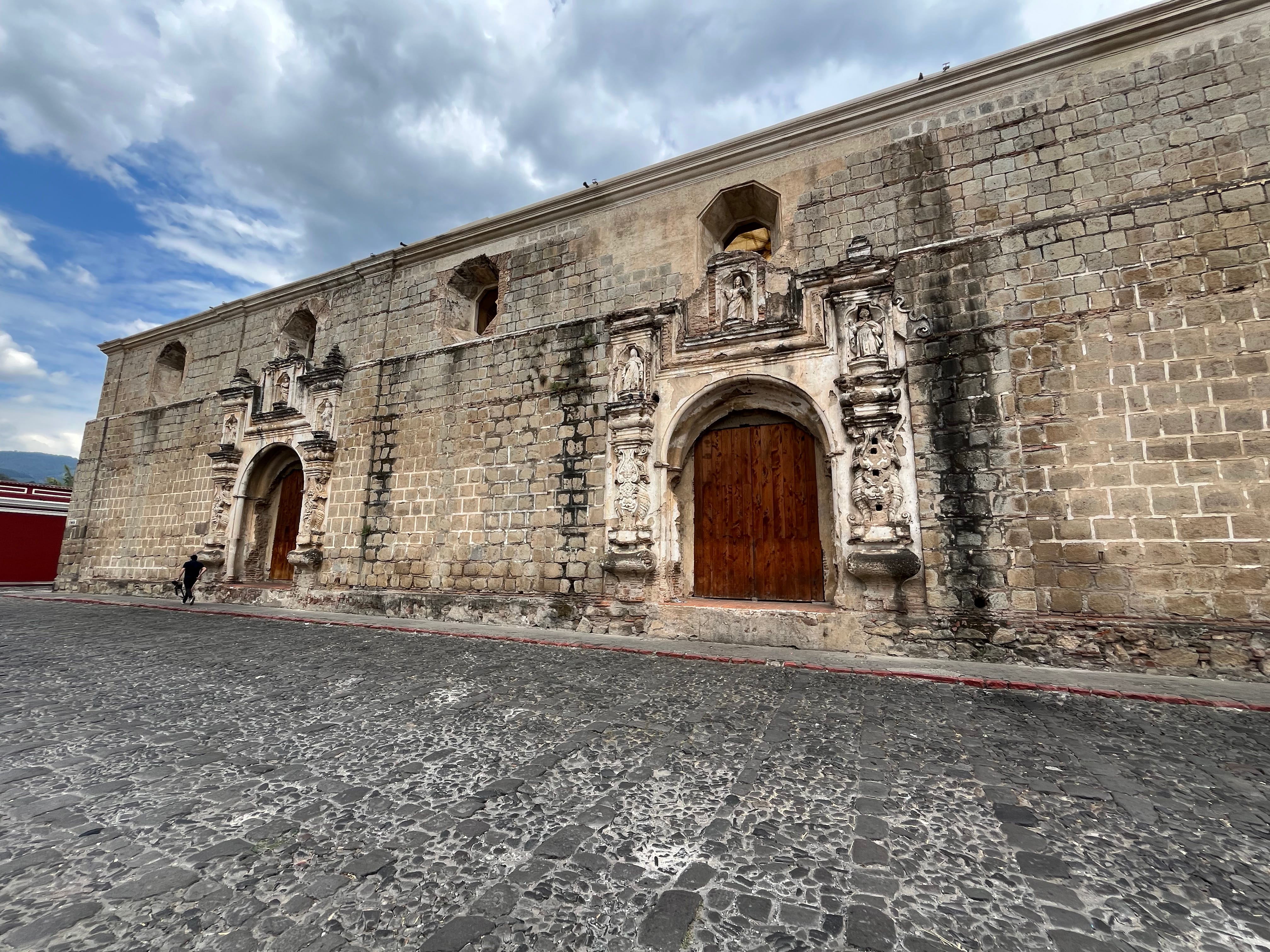
As I continued on my way to the hotel, past Parque Union, towards a bustling 2nd Avenue, a different kind of sound began floating thinly in the air. I noticed it was coming from behind the walls of the extraordinary ruins of the 18th century Santa Clara cathedral complex up ahead. As I neared, I recognised a familiar tune. The Mission, Ennio Morricone’s masterpiece from the film of the same name, was being played inside.
I climbed up the large step to the arch wooden doors that no longer open, to get as close as I could. As the music played, the streets continued to rumble and puff, but the wings I’d got on had taken flight. For a few minutes, for me at least, in this old colonial capital of the kingdom of Guatemala, this cathedral did ring loudest.